Get in touch
Bucharest, Romania

Settling in, made a little less confusing.

Where we operate

Bucharest, and the towns just past its edge

This page is a general orientation, not a promise of availability or pricing in any specific building. Every district described below has its own personality, and the right one usually comes down to commute, schools, and how you like to spend a Sunday.

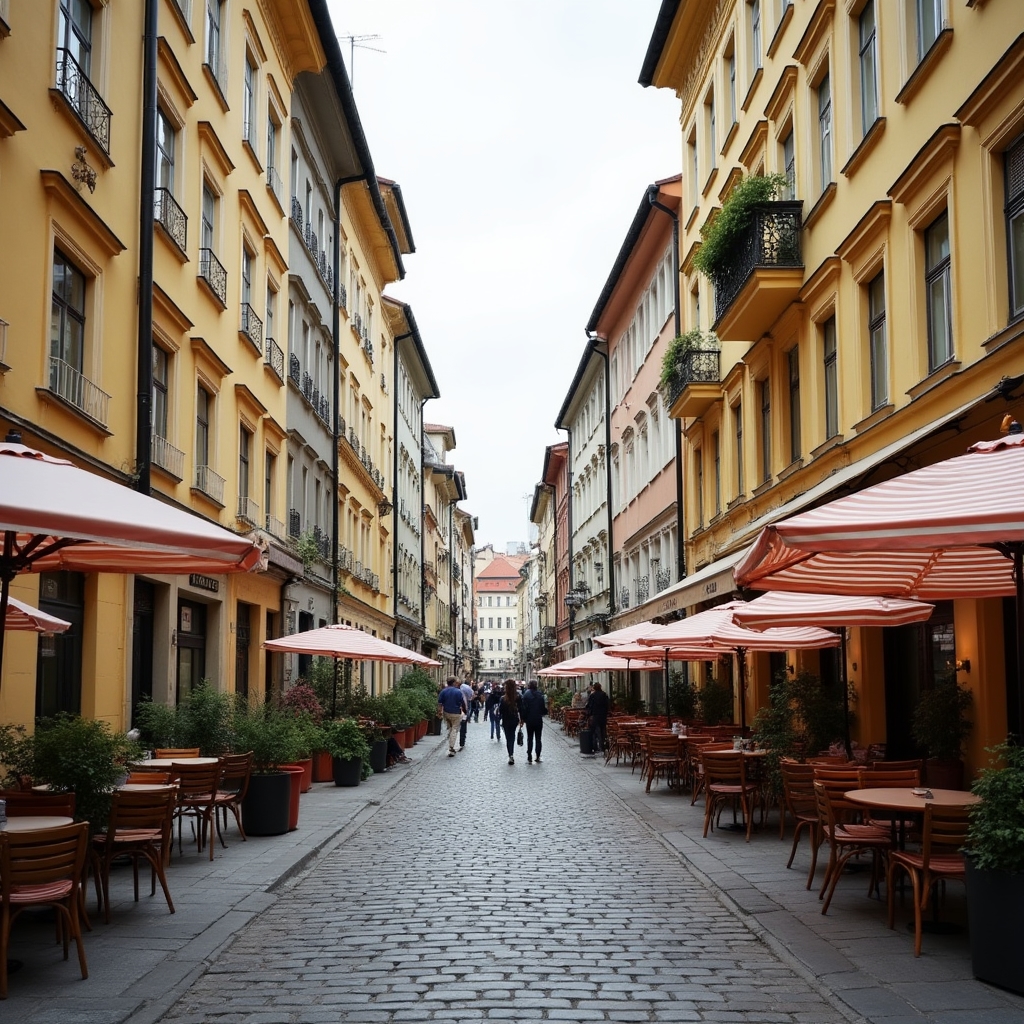
Cobblestone street with historic buildings and outdoor cafes in Bucharest Old Town

Centru Vechi / Old Town

The historic centre is dense, walkable, and loud in the best and worst senses of the word. Cobblestone streets, restored 19th-century facades, and a concentration of cafes and restaurants within a five-minute walk of almost anywhere. It suits people who want to step outside and be in the middle of things immediately, and it's within easy reach of Piata Unirii and Universitate metro stations. Families with young children sometimes find the nightlife noise a factor worth weighing.
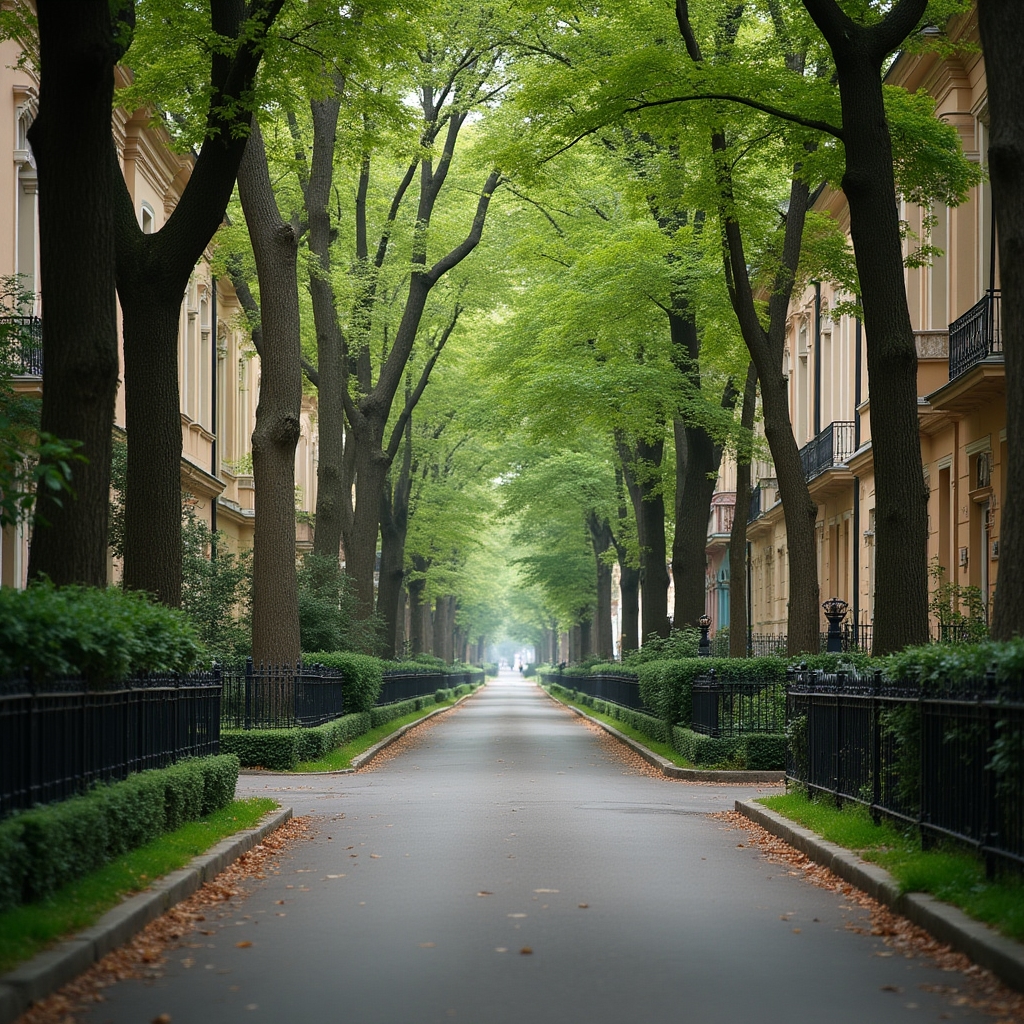
Leafy residential street with villas in Primaverii district of northern Bucharest

Dorobanti / Primaverii / Aviatiei

This stretch of northern Bucharest holds much of the city's embassy and diplomatic presence, and it shows in the tree-lined streets and restored villas. Rents here tend to sit higher than the city average, and several international schools cluster within a reasonable drive. It's a common landing spot for families prioritising green streets and proximity to international school options over walkability to nightlife.

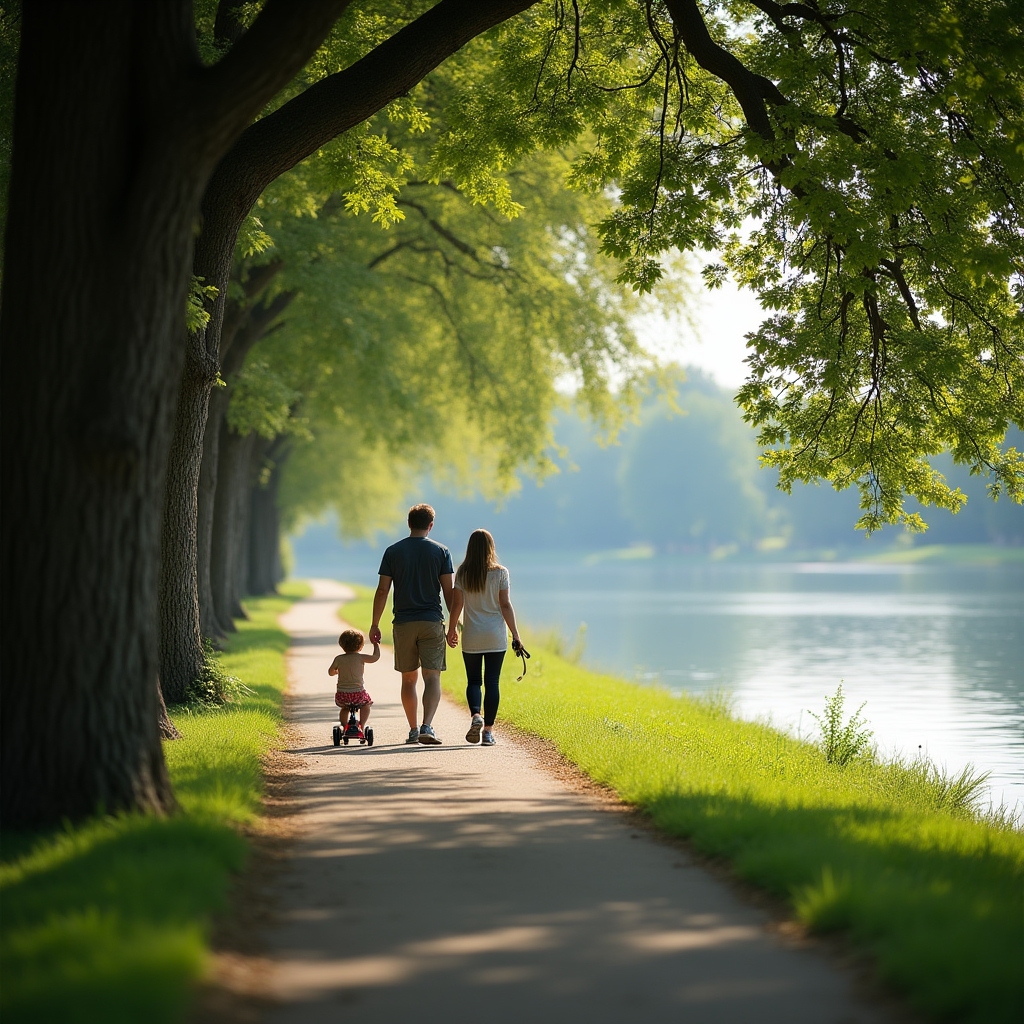
Family walking along a lakeside path in Herastrau Park in Bucharest with trees and skyline in background

Herastrau / Aviatorilor

Built around Bucharest's largest park, this area draws households that want running paths, a lake to walk around on a Sunday, and a slightly slower pace than the centre. Apartment buildings here range from older mid-rise blocks to newer developments, and it works well for families with young children who want green space within stroller distance.

Floreasca / Pipera / Baneasa

North of the centre and closer to the business districts where many multinational offices sit, this cluster has newer apartment stock and a noticeably higher concentration of international schools than most of the city. The tradeoff is traffic. Getting into the historic centre by car during weekday rush hour takes patience, though public transport links continue to improve along this corridor.

Cotroceni / Dealul Spirii

A quieter, more residential pocket near the university and hospital district, with older architecture and generally better value for space than the northern areas. It suits people who want a shorter, calmer commute into the centre without paying the premium associated with the diplomatic quarter, and it tends to attract fewer short-term rentals, which can mean steadier neighbours.

Commuter towns: Voluntari, Otopeni, Corbeanca

For families wanting an actual house with a garden rather than an apartment, these towns just outside the city limits are a common answer. Several international schools are based directly in this belt rather than in the city proper, which can simplify the school run considerably. A car becomes close to essential here, since public transport options thin out compared to central Bucharest.

In practice, the right area usually comes down to a short list of tradeoffs: commute time versus space, walkability versus quiet, and whether a specific school is non-negotiable. An orientation tour, described on our process page, is often the most efficient way to compare two or three of these areas in a single afternoon rather than guessing from listing photos.

Cookie preferences